Why Squeaky Toys Drive Dogs Crazy (The Science Behind It)
Every dog owner has witnessed it: you squeak a toy, and your dog goes absolutely wild. They pounce, shake, bite, and squeak it again and again with seemingly obsessive focus. But why? What is it about that high-pitched sound that transforms even the calmest dog into a squeaking machine?
The answer lies in evolution, psychology, and neuroscience. Let's dive into the fascinating science behind why squeaky toys drive dogs crazy.
The Prey Drive Connection
The most widely accepted explanation for squeaky toy obsession is rooted in predatory instinct. The high-pitched squeak of a toy mimics the sound of small prey animals — like rabbits, mice, or birds — when caught. Even though your pampered pup has never hunted a day in their life, thousands of years of evolution have hardwired their brain to respond to that sound.
When your dog bites a squeaky toy and hears the squeak, their brain interprets it as the distress call of captured prey. This triggers a cascade of rewarding neurochemicals, primarily dopamine, that make the behavior feel incredibly satisfying. In essence, every squeak gives your dog a tiny hit of the same "reward" their ancestors got from a successful hunt.
The Dopamine Loop
Here's where it gets interesting from a neuroscience perspective. Squeaky toys create what researchers call a "dopamine loop" — a self-reinforcing cycle of behavior and reward:
- Step 1: Dog bites the toy
- Step 2: Toy squeaks (auditory reward)
- Step 3: Brain releases dopamine ("that felt good!")
- Step 4: Dog bites again to repeat the reward
This is the same neurological mechanism behind many addictive behaviors — your dog is literally getting a dopamine hit every time they squeak. No wonder they can't stop!
Sound Frequency Matters
Not all sounds trigger the same response. Dogs respond most strongly to sounds in the frequency range that mimics small animal distress calls — typically between 1,000 and 4,000 Hz. This is exactly the range most squeaky toys produce. Toys with deeper or more musical sounds tend to get less frantic responses.
PAWTY's Champagne Bottle Plush Toy features SuperSqueak adjustable volume technology, allowing you to control the intensity of the squeak. This is particularly useful for managing your dog's arousal level during play.
Why Some Dogs "Kill" Their Squeaky Toys
Have you noticed your dog violently shaking their squeaky toy from side to side? This is classic prey-killing behavior. Wild canids kill small prey by grabbing and shaking vigorously to break the animal's neck. When your dog does this with a plush toy, they're completing the full predatory sequence:
- Search — Finding the toy
- Stalk — Approaching the toy
- Chase — Pouncing on the toy
- Catch — Grabbing the toy
- Kill bite — Biting and squeaking
- Kill shake — Shaking the toy vigorously
And once the squeaker is "killed" (broken), many dogs lose interest — just as a wild predator would lose interest in prey that's no longer moving. This is why the Golden Goose and other PAWTY toys are designed with durable squeaker placement.
Breed Differences in Squeaky Toy Response
Not all dogs react equally to squeaky toys. Breeds with strong prey drives tend to be the most enthusiastic:
- Terriers — Bred to hunt small animals, they go wild for squeakers
- Retrievers — Their soft-mouth instinct makes them enthusiastic but gentle squeakers
- Herding breeds — The sound triggers their chase instinct
- Hounds — Moderate response; they're more scent-driven
- Companion breeds — Variable response; some love it, some are indifferent
Is Squeaky Toy Obsession Healthy?
In moderation, absolutely. Squeaky toys provide excellent mental stimulation, stress relief, and an appropriate outlet for predatory instincts. However, watch for:
- Over-arousal — If your dog becomes frantic or aggressive with squeaky toys, use PAWTY's SuperSqueak to lower the volume or limit play time
- Ingestion risk — Dogs that destroy toys to access the squeaker should be supervised. The Barky Balls offer a safer squeaking option
- Noise sensitivity — Some dogs are actually scared of squeaky toys. Never force it
Making the Most of Squeaky Play
Use squeaky toys strategically:
- As high-value training rewards for toy-motivated dogs
- For interactive play sessions that strengthen your bond
- To redirect unwanted chewing behavior
- As a way to encourage exercise through chase and fetch games
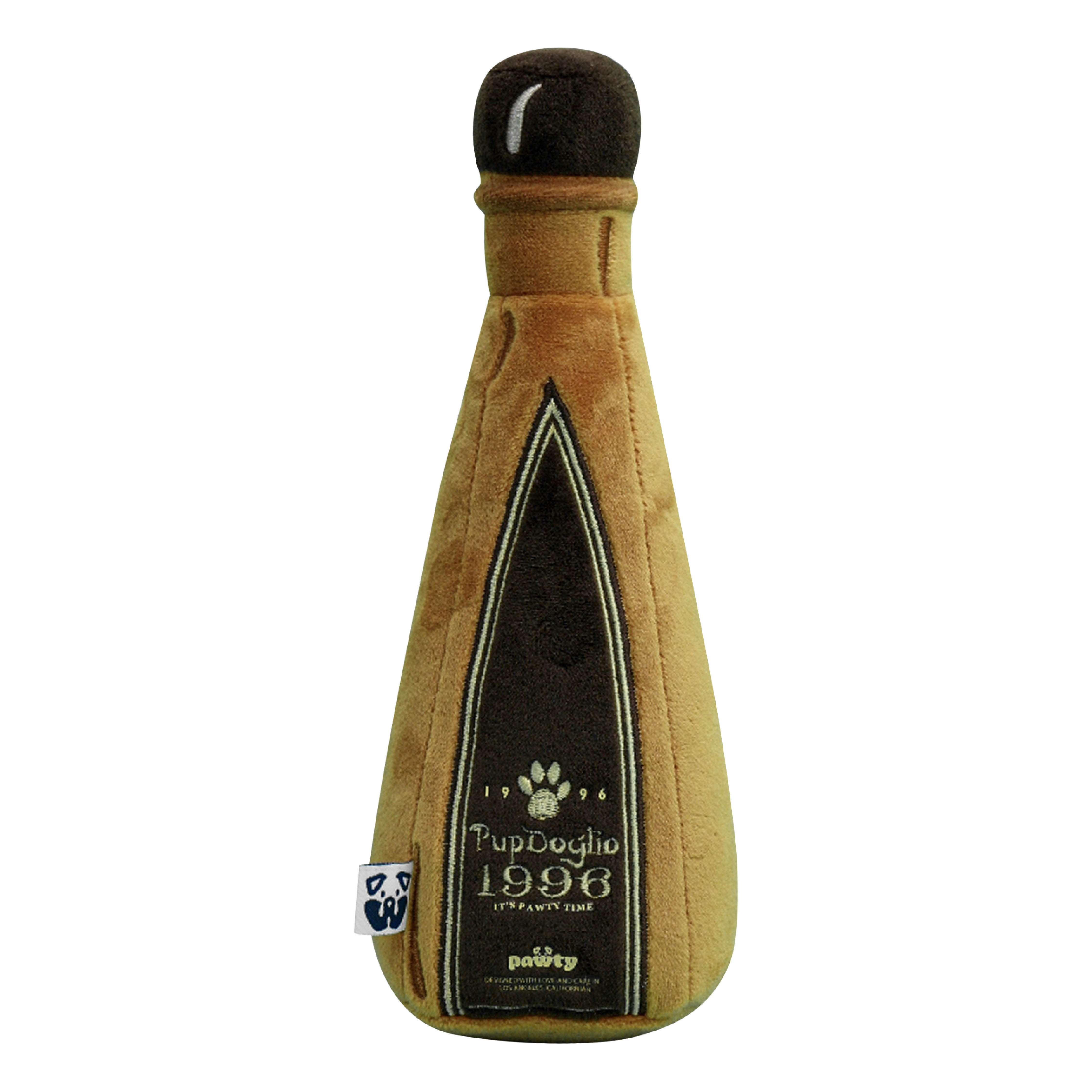
The 1996 Tequila Plush Toy makes an excellent interactive squeaky toy for play sessions.
Final Thoughts
Your dog's squeaky toy obsession isn't random — it's a beautiful intersection of evolution, neuroscience, and pure joy. That tiny squeak taps into ancient instincts, triggers powerful reward pathways, and provides genuine satisfaction. So the next time your dog goes crazy for a squeaky toy, appreciate the millions of years of evolution that made that moment possible.