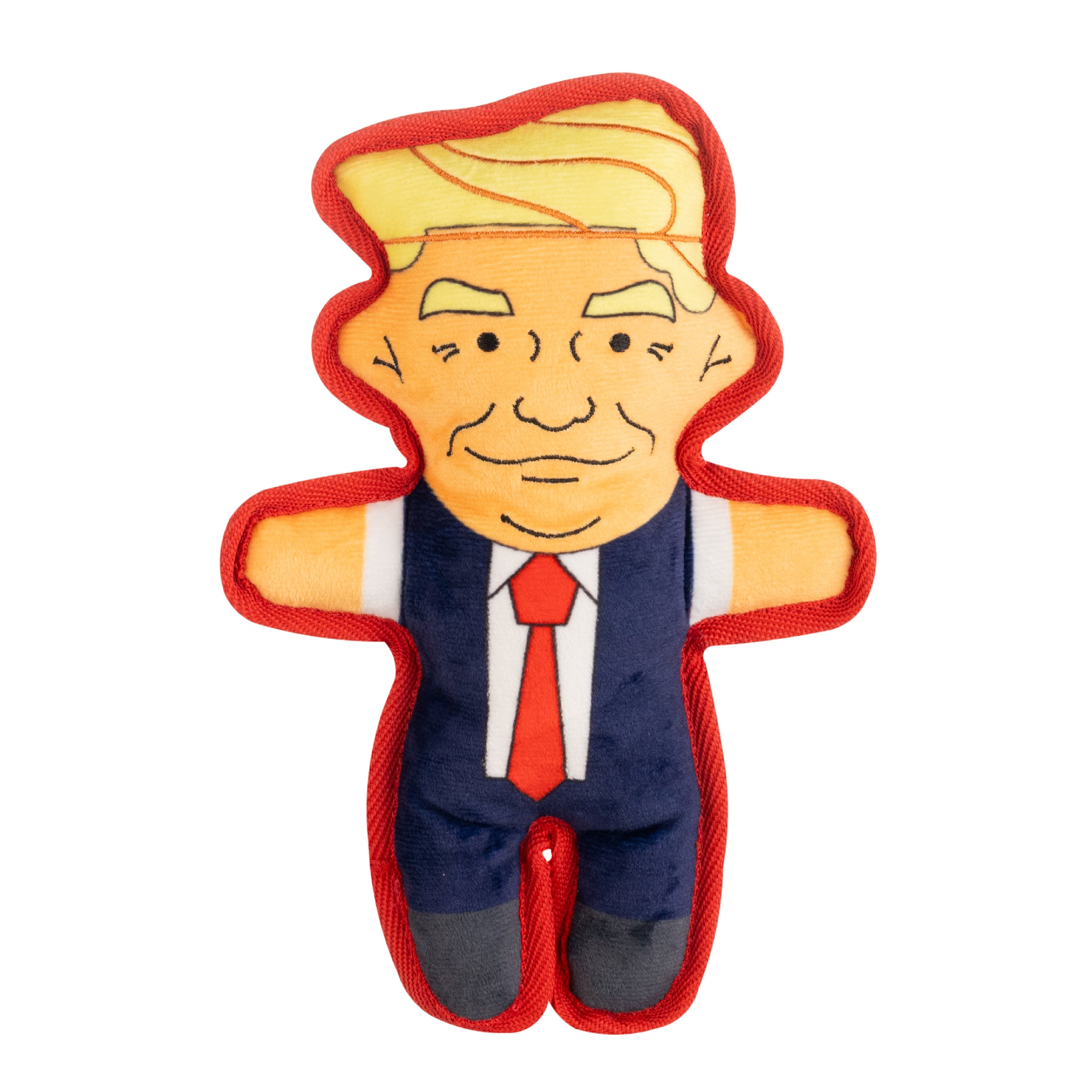
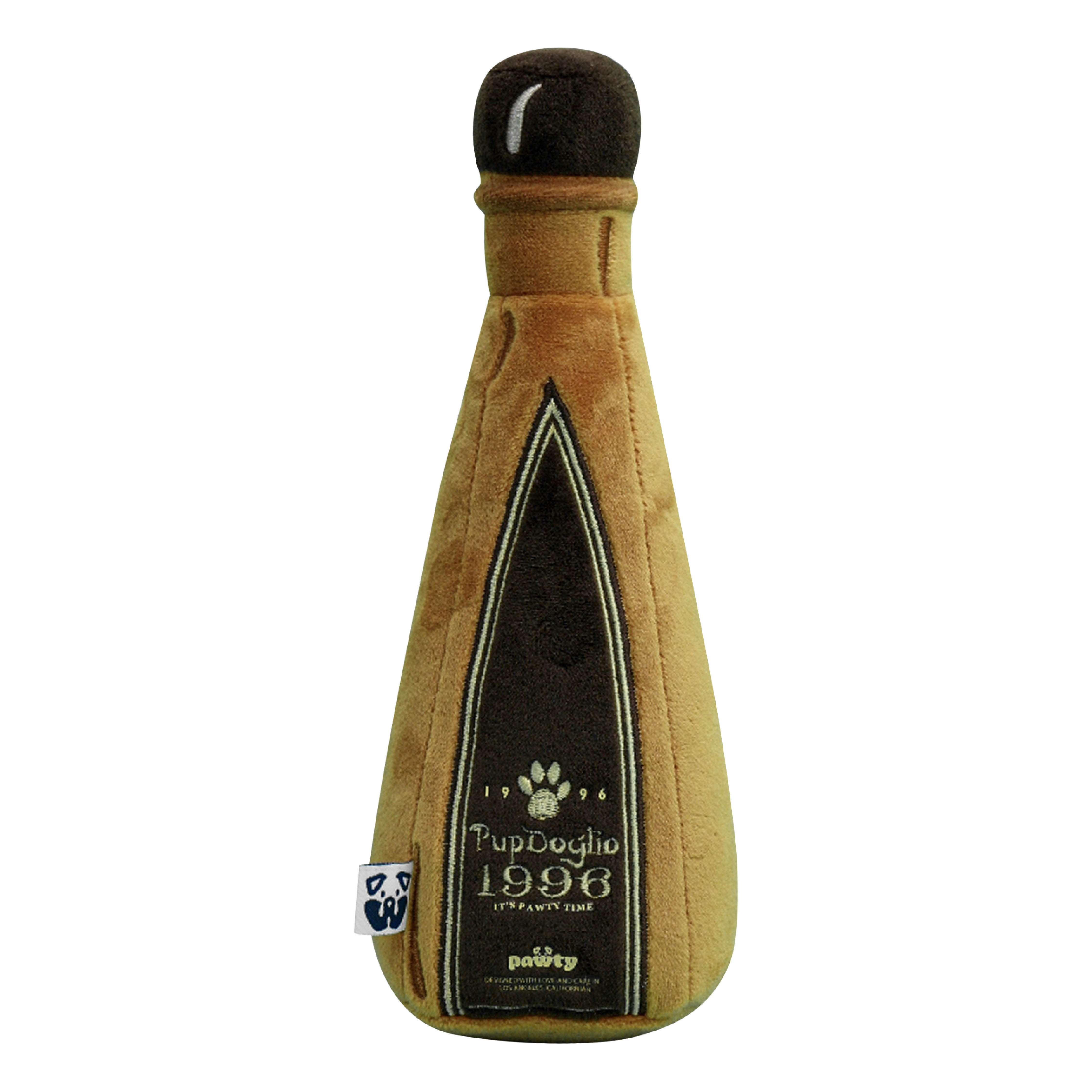
When you're scrolling through hundreds of dog toys online or walking down the pet store aisle, have you ever wondered what's actually inside that squeaky hamburger or plush donut? The material your dog's toys are made from isn't just about durability—it's about safety, comfort, and even your pup's play preferences. Let's dive deep into the world of dog toy materials so you can make informed choices for your furry family member.
Why Dog Toy Materials Matter More Than You Think
Your dog doesn't just play with their toys—they mouth them, chew them, and sometimes even sleep with them. That means the materials need to be safe for extended contact and occasional ingestion (because let's be honest, accidents happen). The wrong materials can lead to digestive issues, allergic reactions, or even toxic exposure.
Beyond safety, different materials trigger different play behaviors. Some dogs go crazy for crinkly textures, while others prefer the satisfying resistance of rubber. Understanding these preferences helps you choose toys that'll actually get used instead of collecting dust in the corner.
The Good: Safe and Dog-Approved Materials
Natural Rubber
Natural rubber is the gold standard for dog toys. It's durable, non-toxic, and has the perfect amount of "give" for healthy chewing. Look for toys made from 100% natural rubber rather than synthetic alternatives. The texture is appealing to most dogs, and it can withstand serious chewing sessions without breaking into dangerous pieces.
Organic Cotton and Hemp
For plush toys, organic cotton and hemp are excellent choices. These natural fibers are free from harmful pesticides and chemicals used in conventional cotton production. They're soft enough for gentle mouths but strong enough for moderate tugging games. Hemp, in particular, is naturally antimicrobial and becomes softer with use.
Food-Grade Silicone
Silicone toys are becoming increasingly popular, and for good reason. Food-grade silicone is completely safe if ingested in small amounts, easy to clean, and comes in fun textures that dogs love. It's also heat-resistant, so it won't melt or warp in hot weather or dishwashers.
Rope (Natural Fibers)
Cotton rope toys are classic for a reason. They're great for dental health, satisfying for tuggers, and completely natural. Just make sure you're choosing toys made from pure cotton rope without synthetic additives or dyes.
The Questionable: Materials to Approach with Caution
Synthetic Stuffing
Many plush toys contain synthetic polyester stuffing, which isn't toxic but can cause digestive blockages if consumed in large quantities. While occasional small ingestions usually pass through without issues, heavy stuffing-eaters might need toys with alternative fillings like crinkle material or no stuffing at all.
Rawhide
While not technically a toy material, rawhide appears in many chew toys and deserves mention. Quality rawhide can be fine for some dogs, but cheaper versions may contain chemical processing agents. Always supervise rawhide use and remove small pieces that could become choking hazards.
Hard Plastics
Not all plastics are created equal. Some harder plastics can crack and splinter, creating sharp edges. Others may contain phthalates or BPA. Look for toys specifically labeled as BPA-free and designed for pets, not human products repurposed as dog toys.
The Bad: Materials to Avoid
PVC (Polyvinyl Chloride)
PVC contains phthalates to make it flexible, and these chemicals can leach out over time. Phthalates are endocrine disruptors that can affect hormonal balance. Some studies suggest they may be linked to reproductive issues and liver problems.
Formaldehyde-Treated Materials
Some imported toys may be treated with formaldehyde as a preservative. This chemical can cause skin irritation, respiratory issues, and is classified as a carcinogen. Stick to toys from reputable manufacturers who test their products.
Lead-Based Paints and Dyes
While most modern pet toys are lead-free, cheaply made imports occasionally slip through with lead-based colorings. This is especially concerning for toys with bright, vivid colors that aren't specifically labeled as pet-safe.
Small Metal Parts
Bells, buttons, and metal squeakers can pose choking hazards or cause intestinal blockages if swallowed. Even if they're initially secure, these parts can work loose over time with repeated play.
How Dogs Experience Different Materials
Dogs interact with materials differently than we do. Their mouths are more sensitive to texture variations, and they experience the world largely through scent and taste. Here's what research tells us about canine material preferences:
Texture Sensitivity: Dogs can distinguish between subtle texture differences that might feel identical to us. Some prefer smooth surfaces, while others gravitate toward ridged or nubby textures that provide more sensory feedback.
Temperature Preference: Dogs often prefer toys that warm up with play. Natural materials like rubber and cotton tend to reach a comfortable temperature quickly, while synthetic materials might stay cooler.
Scent Retention: Natural materials tend to hold scents longer, which can make toys more appealing to dogs. This is why many dogs become attached to old, smelly toys—they've developed a rich scent profile over time.
Making Smart Material Choices for Your Dog
Consider your dog's play style when choosing materials. Gentle players can enjoy delicate materials like organic cotton plush, while power chewers need the durability of natural rubber or tough hemp rope.
For multi-dog households, avoid materials that might cause resource guarding. Highly durable materials that won't break into pieces work best when toys need to be shared.
If your dog has allergies, stick to hypoallergenic materials like natural rubber and organic cotton. Avoid synthetic materials and chemical treatments that might trigger reactions.
The PAWTY Difference: Materials That Matter
At PAWTY, we're obsessed with material safety and quality. Our SuperSqueak plush collection uses only organic cotton filling and food-safe squeakers. For power chewers, our durable rubber toys are made from 100% natural rubber without fillers or synthetic additives.
Our rope toy collection features pure cotton rope that's safe for heavy chewers and actually helps clean teeth during play. And for dogs who love crinkly textures, our crinkle toys use recycled water bottle material for that satisfying sound without the safety concerns of loose plastic.
Every PAWTY toy undergoes rigorous material testing because we know that what goes into your dog's mouth matters. We're not just making toys—we're creating safe, engaging experiences for the dogs we love.
The Bottom Line
The next time you're shopping for dog toys, flip them over and read the materials list. Your dog's health and happiness depend on these seemingly small details. Choose natural materials when possible, avoid known harmful substances, and always supervise initial play with any new toy.
Remember, the most expensive toy isn't always the safest, and the most colorful isn't always the best. Sometimes the simple, natural option is exactly what your dog needs for hours of safe, satisfying play.
Your dog trusts you to make good choices for them. By understanding materials, you're ensuring that trust is well-placed and that playtime stays fun and safe for years to come.
Looking for dog toys made with the safest materials? Explore our full collection of carefully curated toys designed with your dog's health and happiness in mind.