How Dog Toys Can Help Dogs Cope with Grief and Loss: Supporting Your Pet Through Difficult Times
Dogs experience grief differently than humans, but that doesn't mean the emotions aren't real or profound. Whether your dog has lost a canine companion, a beloved family member, or is adjusting to major life changes, the right approach to play and comfort can make a meaningful difference in their healing process.
Understanding Canine Grief
Dogs form deep emotional bonds, and when those bonds are broken, they can experience what veterinary behaviorists recognize as grief. Signs include decreased appetite, lethargy, searching behaviors, whining, and loss of interest in previously enjoyed activities. While time is the ultimate healer, thoughtful intervention through appropriate toys and play can provide comfort and structure during difficult periods.
The Science Behind Comfort Play
Research shows that play releases endorphins and reduces cortisol levels in dogs, just as it does in humans. During times of stress and grief, maintaining some level of play activity helps preserve mental health and provides positive distraction from negative emotions. The key is choosing the right types of toys and play experiences that offer comfort without overwhelming a grieving dog.
Comfort Toys: More Than Just Plush
Soft Plush Companions
Plush toys can serve as transitional comfort objects for grieving dogs. Look for toys with gentle textures and soothing squeakers rather than loud, startling sounds. A soft plush toy that your dog can carry around, cuddle with, or even "parent" can provide emotional comfort during difficult days.
The PAWTY Birthday Cake Plush Toy offers the perfect balance of softness and gentle squeaking that many grieving dogs find comforting. Its manageable size makes it ideal for dogs who want to carry their comfort object from room to room.
Heat-Providing Comfort Toys
Some dogs find warmth particularly soothing during grief. While not traditional toys, heat-providing comfort items can be combined with gentle play. Warm plush toys or toys designed to retain body heat can provide the physical comfort that reminds dogs of companionship.
Gentle Mental Stimulation During Recovery
Low-Stress Puzzle Toys
Mental stimulation remains important during grief, but the approach should be gentler than usual. Simple treat-dispensing toys that don't require intense problem-solving can keep a dog's mind occupied without adding stress. The goal is gentle engagement, not challenging mental work.
Slow-Release Comfort
Toys that provide extended, gentle engagement work well for grieving dogs. Long-lasting chew toys or treat-dispensing toys that release rewards slowly can provide comfort and routine without overstimulation.
Interactive Play for Emotional Reconnection
Low-Key Tug Toys
Gentle tug-of-war can help maintain the human-dog bond during difficult times. Choose softer tug toys that allow for calm, controlled play rather than high-energy competition. The physical connection and mild exercise can be therapeutic for both dog and owner.
The PAWTY Pickle Plush Tug Toy is designed for gentler play sessions, making it perfect for dogs who need comfort-based interaction rather than high-energy games.
Routine-Building Play
Establishing gentle play routines can provide structure and predictability for grieving dogs. Short, consistent play sessions with familiar toys help maintain normalcy and provide something positive to anticipate each day.
What to Avoid During the Grieving Process
Overstimulating Toys
Avoid extremely loud squeakers, flashing lights, or overly complex puzzle toys that might overwhelm a dog already dealing with emotional stress. High-energy toys that demand intense focus can be too much for a grieving pet.
Forcing Play
Never force a grieving dog to engage with toys. Offer options and let them choose what feels comfortable. Some days, simply having familiar toys nearby provides comfort even if they're not actively playing.
Replacing Immediately
If your dog has lost a companion animal, resist the urge to immediately introduce toys that remind them of shared play. Give them time to process the loss before introducing new play dynamics.
Creating a Healing Environment
Comfort Zones
Create quiet spaces where your dog can retreat with a comfort toy when they need solitude. These areas should be away from high-traffic zones and filled with familiar, comforting scents and textures.
Gradual Reintroduction
As your dog begins to show interest in play again, gradually reintroduce more interactive toys. Start with calm, familiar options before moving to anything new or stimulating.
The PAWTY Corn Dog Plush offers a familiar food shape that many dogs find comforting while providing gentle squeaking that won't overwhelm sensitive emotions.
Supporting Different Grief Responses
The Withdrawn Dog
For dogs who become withdrawn during grief, start with toys they can engage with passively. Soft toys they can lie next to or gentle chew toys that don't require active play can provide comfort without pressure.
The Anxious Searcher
Some dogs respond to loss by becoming more anxious and searching for their lost companion. Interactive toys that provide mental engagement can help redirect this energy positively. Simple hide-and-seek games with treats or toys can satisfy the searching instinct constructively.
The Aggressive Griever
Dogs who become irritable during grief need toys that allow for safe emotional release. Appropriate chew toys or toys they can shake and "defeat" provide outlets for frustrated energy without encouraging problematic behaviors.
Long-Term Healing Through Play
Rebuilding Joy
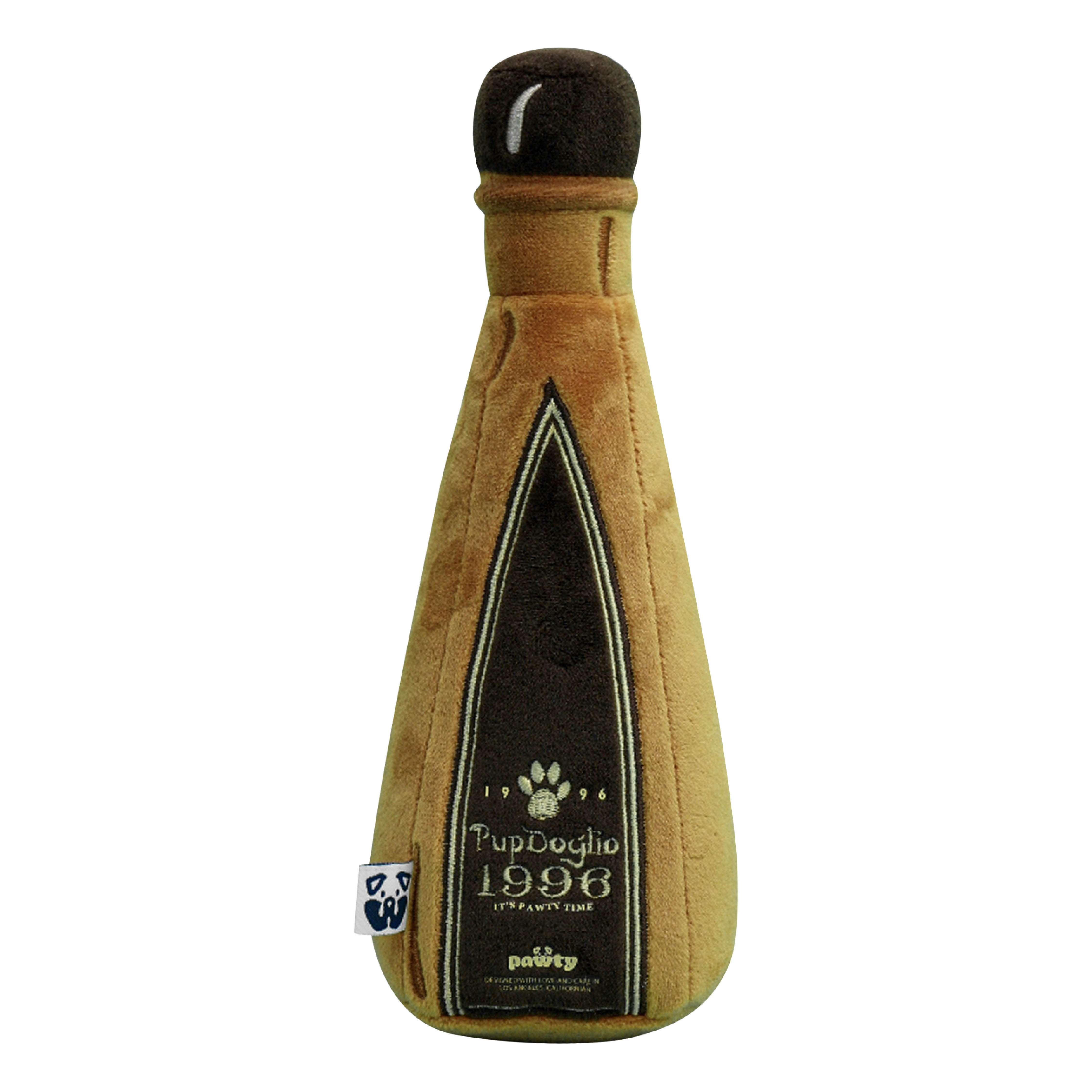
As your dog heals, gradually reintroduce more engaging and fun toys. The PAWTY Champagne Bottle Toy can be perfect for celebrating small victories in your dog's emotional recovery journey.
New Positive Associations
Help your dog build new positive associations through play. Introduce new toys slowly, allowing them to create fresh, happy memories that don't compete with their grief but complement their healing.
Monitoring Progress
Pay attention to how your dog responds to different toys over time. Their preferences may change as they heal, and being responsive to these changes helps support their emotional recovery.
When to Seek Professional Help
If your dog's grief seems overwhelming or persists for extended periods without any improvement, consult with a veterinary behaviorist. They can provide professional guidance and determine if additional intervention beyond supportive play is needed.
Creating Hope Through Gentle Play
Grief is a natural process that requires patience, understanding, and gentle support. The right toys and play approaches can provide comfort, routine, and gradually help rebuild joy in your dog's life. Remember that healing isn't about forgetting—it's about learning to experience happiness again while honoring the important relationships that shaped your dog's emotional world.
By choosing appropriate toys and being mindful of your dog's emotional needs, you can help them navigate grief with dignity and eventually find their way back to the joy that play brings to their lives. The PAWTY Pizza Slice Plush reminds us that simple pleasures and comfort foods—even in toy form—can bring smiles during difficult times.
Every dog's grief journey is unique, but with patience, love, and the right supportive tools, they can heal and learn to play joyfully again.