Dog Toy Myths Busted: The Truth About What Your Dog Really Wants
As dog parents, we've all heard the "rules" about dog toys. Some are passed down from well-meaning friends, others pop up in online forums, and a few have been around so long they feel like gospel truth. But here's the thing: many of these widely accepted beliefs about dog toys are complete myths.
Today, we're diving deep into the most persistent dog toy misconceptions and revealing what science and canine behavior experts actually tell us about what our furry friends want from their playtime. Spoiler alert: your dog might have very different preferences than you think!
Myth #1: "Big Dogs Need Big Toys, Small Dogs Need Small Toys"
The Truth: Size matching isn't always the golden rule.
While safety is paramount (tiny toys can be choking hazards for large dogs), many dogs actually prefer toys that don't match their body size. Some Great Danes go crazy for small, squeaky toys they can carry around like precious treasures, while plenty of Chihuahuas love wrestling with oversized plush toys that are twice their size.
The key factors are actually your dog's mouth shape, play style, and personal preferences. A narrow-muzzled Greyhound might struggle with a thick rope toy that a broad-muzzled Bulldog loves. Pay attention to what your dog gravitates toward naturally.
PAWTY Pro Tip: Our Taco Bell Crunch Wrap Supreme Plush Toy comes in a medium size that works beautifully for dogs of all sizes - small dogs love the challenge of a bigger toy, while large dogs enjoy the perfect mouth-feel for carrying and gentle play.
Myth #2: "Squeaky Toys Make Dogs Aggressive"
The Truth: Squeaking triggers natural hunting instincts, not aggression.
This myth probably started because dogs can look pretty intense when they're "killing" a squeaky toy - the head shaking, the determined expression, the focused hunting behavior. But this isn't aggression; it's completely normal predatory play behavior that's hardwired into your dog's DNA.
The squeaking sound mimics the distress calls of small prey animals, which activates your dog's natural hunting sequence. This is actually excellent mental stimulation and stress relief. Dogs who engage in this type of play are often calmer and more satisfied overall.
When to be concerned: If your dog becomes possessive over squeaky toys or can't disengage when asked, that's a training issue, not a toy issue.
Myth #3: "Dogs Get Bored With Toys Quickly, So Buy Cheap Ones"
The Truth: Dogs form attachments to quality toys and can enjoy them for years.
This myth might exist because many dog parents buy low-quality toys that fall apart quickly, leading to a cycle of constant toy replacement. But dogs actually develop emotional attachments to well-made toys that last.
Think about it: how many dog parents have stories about their pup's "special toy" that they've had for years? Dogs appreciate consistency and familiarity. A durable, well-designed toy becomes a source of comfort and joy that grows stronger over time.
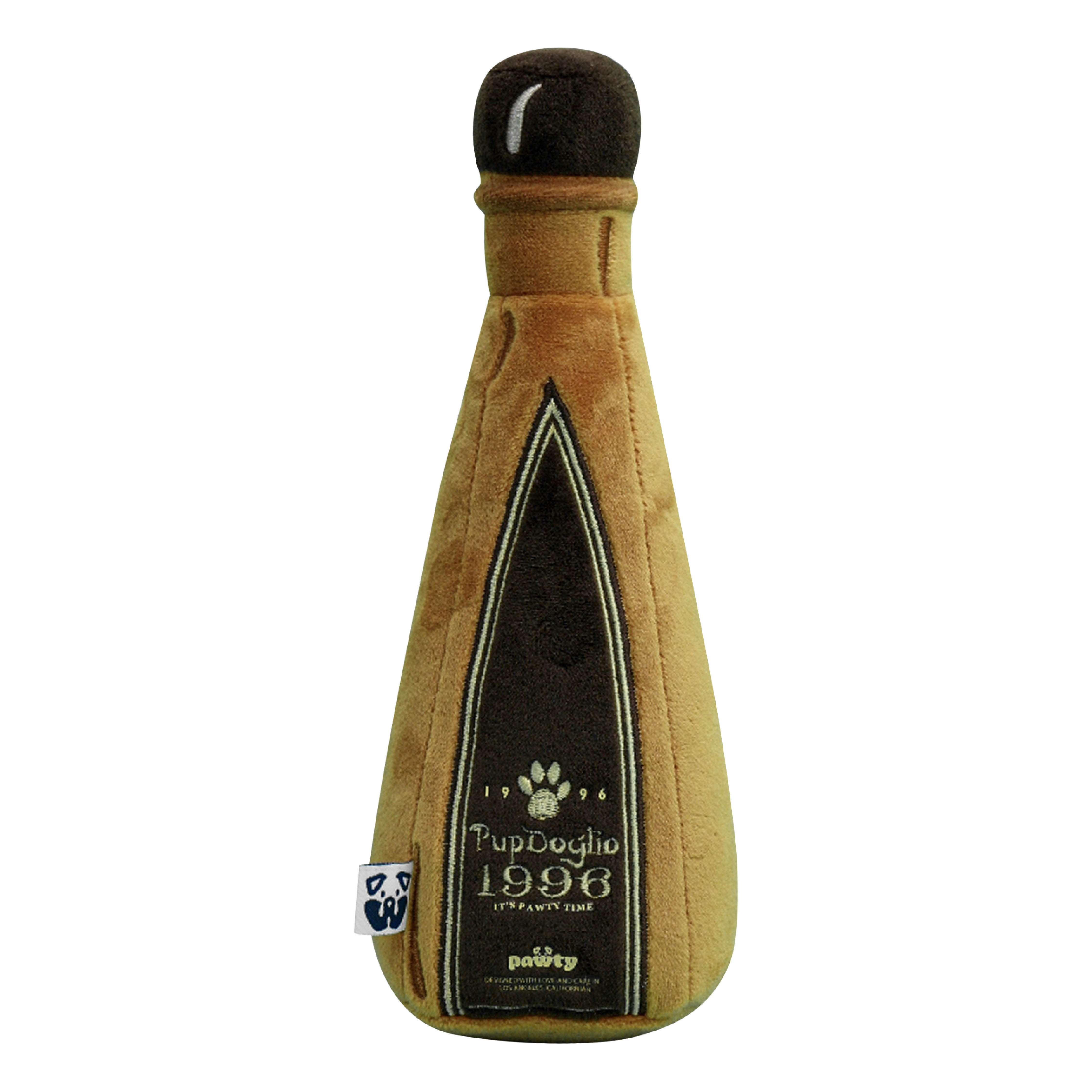
PAWTY Pro Tip: Our Hennessy Bottle Squeaky Toy is built to last with reinforced seams and premium materials. Many customers tell us their dogs have been enjoying the same Hennessy bottle for over two years!
Myth #4: "Puzzle Toys Are Only for Smart Dogs"
The Truth: All dogs benefit from mental stimulation, regardless of intelligence level.
This harmful myth suggests that some dogs are "too dumb" for puzzle toys or interactive games. Not only is this untrue, but it deprives many dogs of enrichment that could significantly improve their quality of life.
Dogs of all intelligence levels can engage with puzzles - they just need the right level of difficulty. A simple treat-dispensing toy can provide mental stimulation for any dog, while more complex puzzles can challenge the canine Einsteins.
The real benefit: Regular mental stimulation through puzzle toys can actually improve cognitive function in dogs of all ages and intelligence levels, similar to how crossword puzzles benefit humans.
Myth #5: "Plush Toys Are Just for Puppies and Small Dogs"
The Truth: Dogs of all sizes and ages often love soft, cuddly toys.
There's something endearing about watching a tough-looking Rottweiler gently carrying around a plush toy, but some owners worry this looks silly or isn't "appropriate" for their dog's image. This concern misses the point entirely.
Plush toys serve several important functions: they provide comfort (especially for anxious dogs), satisfy gentle mouthing instincts, and can become transitional objects that help with separation anxiety. Many dogs sleep with their favorite plush toys well into their senior years.
PAWTY Pro Tip: Our Patron Bottle Plush Toy is perfect for dogs who love the comfort of plush but also enjoy the interactive element of a squeaker hidden inside.
Myth #6: "If a Dog Destroys Toys, They Don't Need Them"
The Truth: Destructive play is often a sign your dog needs MORE mental stimulation, not fewer toys.
When dogs systematically destroy toys, they're usually telling us something important: they need more challenging, durable options or more mental enrichment in general. Destruction isn't necessarily bad behavior - it's often problem-solving in action.
Some dogs are natural "dissectors" who find joy in the process of taking things apart. Rather than punishment, these dogs need toys designed for destruction or super-durable options that can withstand their enthusiasm.
Pro strategy: Rotate between indestructible toys for solo play and supervised "destruction toys" that you can safely let them dismantle.
Myth #7: "Dogs Don't Care About Toy Colors"
The Truth: While dogs see fewer colors than humans, color can still matter.
Dogs see the world primarily in blues and yellows, with limited ability to distinguish reds and greens. This doesn't mean color is irrelevant - it just means the colors that stand out to dogs might surprise you.
A bright red toy might blend into green grass from your dog's perspective, while a blue or yellow toy will pop. This is why many professional dog trainers use blue or yellow equipment for visibility during training.
PAWTY Pro Tip: Our Supreme Brick Toy features a distinctive design with contrasting colors that dogs can actually see clearly, making it perfect for both indoor and outdoor play.
The Bottom Line: Trust Your Dog
The most important truth about dog toys? Your individual dog is the best guide to what they enjoy. Pay attention to their play preferences, energy levels, and personal quirks. Some dogs love squeakers, others prefer silence. Some want to cuddle their toys, others want to destroy them.
Rather than following rigid rules based on myths, observe your dog's behavior and let their preferences guide your toy choices. A well-chosen toy that matches your dog's actual interests will provide more joy and enrichment than a dozen "perfect" toys that don't align with their personality.
Ready to find your dog's perfect match? Browse our full collection of scientifically-designed, myth-busting toys at pawty.com - because every dog deserves playtime that's tailored to their unique personality.
Remember: The best dog toy is one that makes YOUR dog happy, regardless of what the "rules" say. Trust the expert who knows your pup best - you!