How Many Toys Does a Dog Actually Need?
Walk into any pet parent's home and you'll likely find dog toys scattered across every room. But is that mountain of plush toys, chew bones, and tennis balls actually necessary? How many toys does a dog really need to be happy, healthy, and well-stimulated?
The answer isn't one-size-fits-all, but there are evidence-based guidelines that can help you find the sweet spot between toy deprivation and toy overload.
The Magic Number: Quality Over Quantity
Research and veterinary behaviorists generally agree on a simple framework:
- Available at any time: 3-5 toys
- Total in rotation: 8-12 toys
- Swap frequency: Every 2-4 days
This system ensures your dog always has enough variety without becoming overwhelmed or bored by having too many options simultaneously.
Why Too Few Toys Is a Problem
Dogs with insufficient toys often develop:
- Destructive behavior — They'll chew furniture, shoes, and household items
- Boredom — Leading to excessive barking, digging, or restlessness
- Anxiety — Toys provide comfort and security; without them, some dogs become stressed
- Poor dental health — Appropriate chewing helps clean teeth
Why Too Many Toys Can Backfire
Surprisingly, an overload of toys can also cause issues:
- Decision fatigue — Too many choices can be overwhelming, causing dogs to ignore all of them
- Reduced novelty — When everything is always available, nothing feels special
- Clutter stress — Some dogs become anxious in cluttered environments
- Resource guarding — More toys can sometimes trigger protective behavior
The Ideal Toy Mix
Your dog's 8-12 toy rotation should include a variety of types:
1. Comfort Toys (1-2)
Soft plush toys for cuddling and carrying. The Love Bone makes an excellent comfort toy with its GentlePlush fabric.
2. Interactive Toys (2-3)
Puzzle and treat-dispensing toys for mental stimulation. The Fried Chicken Interactive Toy provide SnackStash enrichment.
3. Squeaky Toys (2-3)
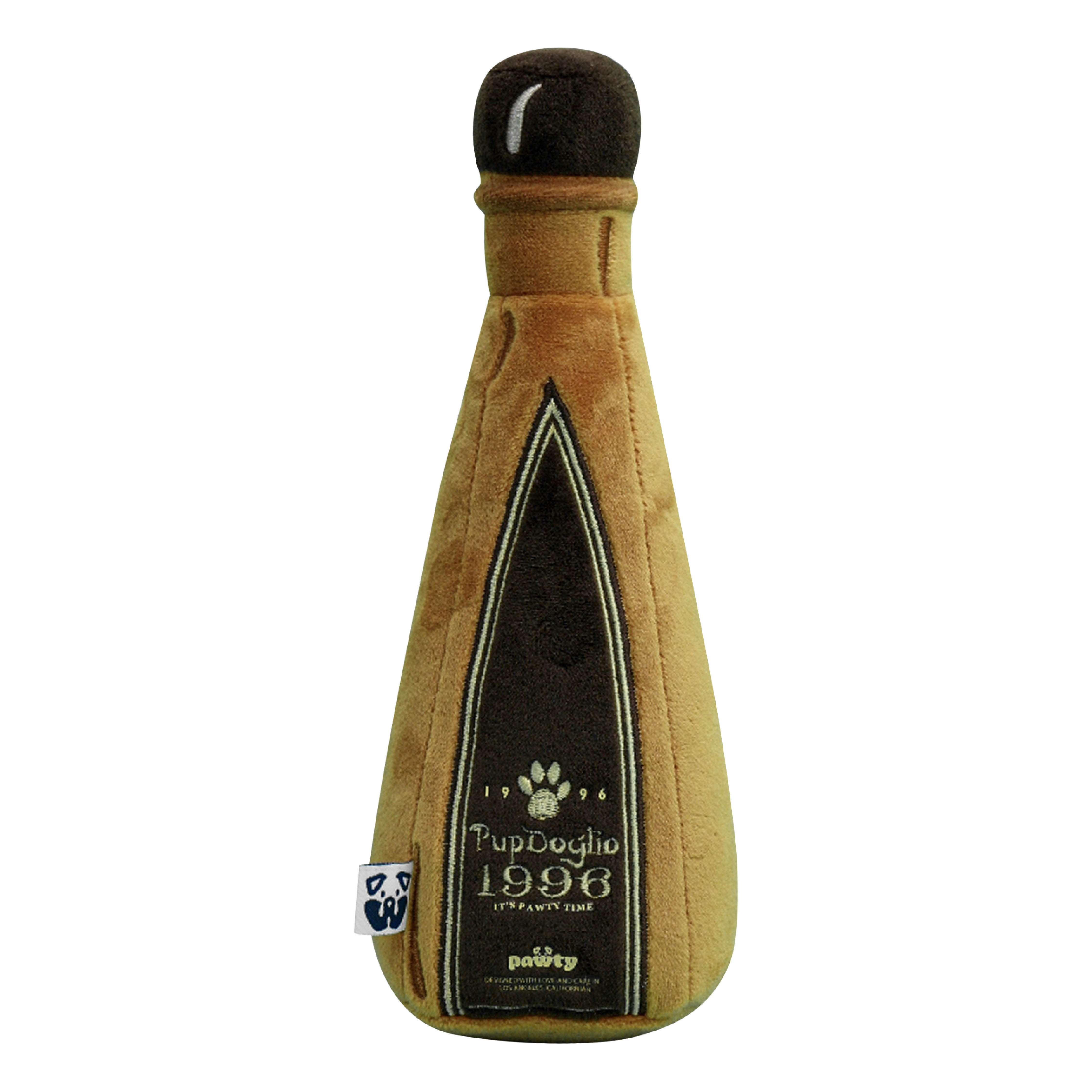
For active play and prey-drive satisfaction. The Champagne Bottle Plush Toy features adjustable SuperSqueak technology.
4. Tug Toys (1-2)
For interactive play with you. PAWTY's RuffRope toys provide durable tug options.
5. Chew Toys (1-2)
For independent chewing and dental health.
Factors That Affect How Many Toys Your Dog Needs
Adjust the baseline based on your dog's specific needs:
- Breed intelligence — Smart breeds (Border Collies, Poodles) need more toys and faster rotation
- Energy level — High-energy dogs need more interactive toys
- Age — Puppies need more toys for teething; seniors may prefer fewer, softer options
- Time alone — Dogs left alone longer need more independent play options
- Multi-dog household — More dogs = more toys to prevent resource conflicts
Signs Your Dog Needs More Toys
- Chewing on non-toy items
- Carrying shoes or household objects around
- Excessive attention-seeking during quiet times
- Destructive behavior when left alone
- Loss of interest in existing toys
Signs Your Dog Has Too Many Toys
- Ignoring most toys in favor of one or two
- Walking past toys without engaging
- Guarding multiple toys aggressively
- Seeming overwhelmed when toys are presented
The Rotation Strategy
Toy rotation is the secret weapon of smart pet parents. Here's how:
- Divide toys into 3 groups of 3-4 toys each
- Leave one group available for 2-4 days
- Swap to the next group — old toys feel brand new again
- Clean and inspect toys between rotations
The Paw Pouch is a fun addition to any rotation group.
Final Thoughts
The ideal number of toys isn't about counting — it's about variety, rotation, and matching toys to your dog's needs. A thoughtful collection of 8-12 toys, rotated in groups of 3-5, will keep most dogs happier than a massive pile of random toys. Invest in quality over quantity, rotate regularly, and watch your dog rediscover the joy of play every few days.