Living With Multiple Dogs? Here's How to Make Toy Time Fun for Everyone
If you share your home with more than one dog, you already know the joy (and chaos) that comes with a multi-dog household. Double the tail wags, double the cuddles — but also double the competition when a squeaky toy hits the floor. Managing dog toys in a multi-dog home is both an art and a science, and getting it right can mean the difference between harmonious play sessions and full-blown toy wars.
Whether you have two pups or a whole pack, this guide will help you choose the right toys, set up fair play routines, and keep every tail wagging. Plus, we'll share some of our favorite PAWTY Dog Co. picks that work brilliantly in multi-dog homes.
Why Multi-Dog Households Need a Toy Strategy
Dogs are social animals, but they're also individuals with unique play styles, energy levels, and preferences. What excites your Golden Retriever might bore your Chihuahua. What your Pit Bull considers a light chew session might obliterate the toy your Dachshund was eyeing.
Without a plan, toy time can lead to:
- Resource guarding — one dog becoming possessive over a favorite toy
- Uneven play — a dominant dog hogging all the fun
- Destroyed toys — aggressive chewers wrecking toys meant for gentler mouths
- Boredom — not enough variety to keep every dog stimulated
The good news? With the right approach, toy time becomes a bonding experience for your entire pack — and for you.
Step 1: Know Each Dog's Play Personality
Before you stock up on toys, take a moment to observe each dog's natural play style. Dogs generally fall into a few categories:
- The Tugger: Lives for tug-of-war and interactive rope play
- The Chaser: Loves fetch and anything that moves
- The Destroyer: Gets satisfaction from ripping, shredding, and unstuffing
- The Cuddler: Carries plush toys gently and treats them like babies
- The Problem Solver: Thrives on puzzle toys and treat-dispensing challenges
In a multi-dog household, you'll likely have a mix of these personalities. The key is having toys that cater to each style so no dog feels left out.
Step 2: Build a Diverse Toy Collection
Variety isn't just the spice of life — it's essential for multi-dog harmony. Here's what a well-rounded toy box looks like:
Plush Toys for Gentle Players and Cuddlers
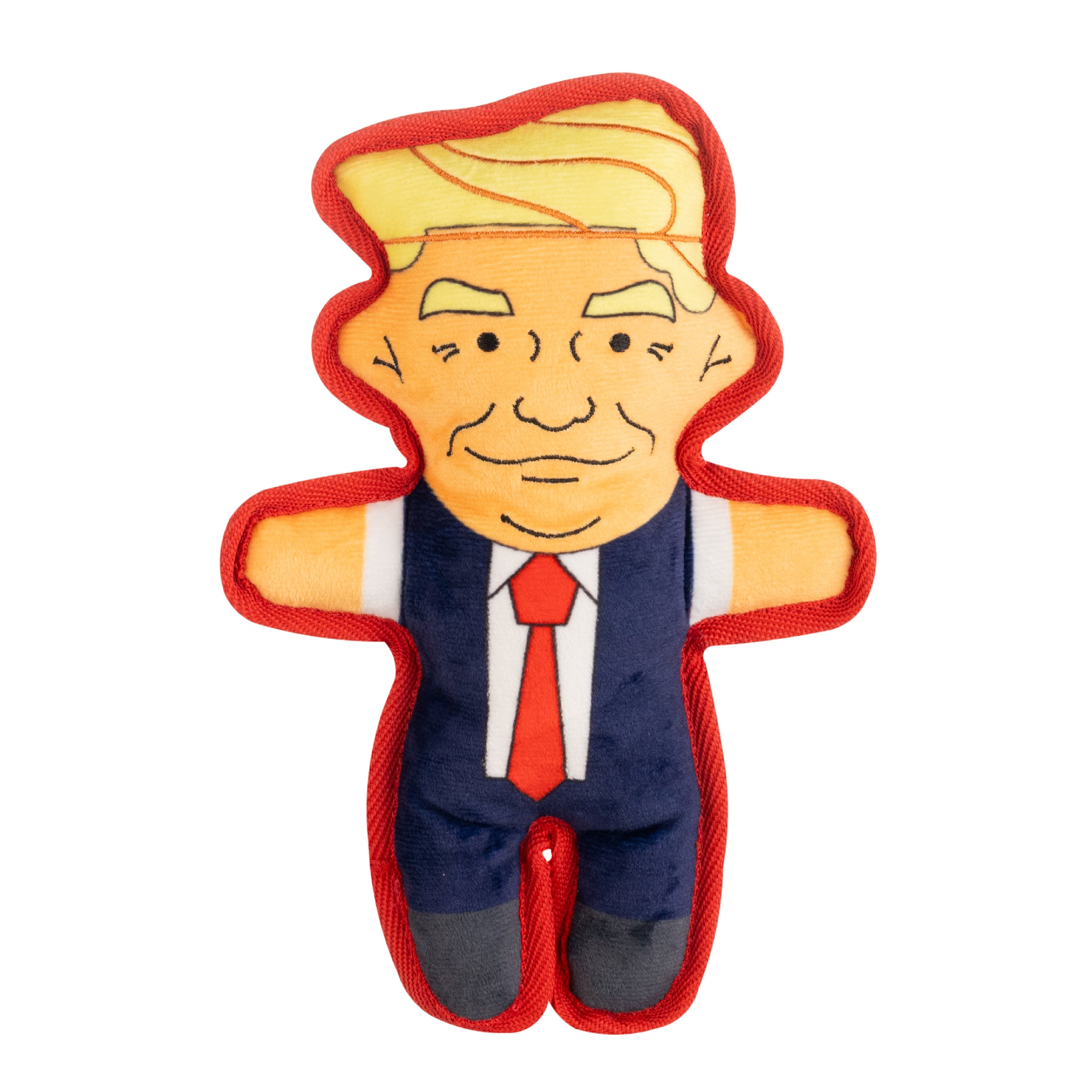
Every multi-dog household needs plush toys that can handle being passed between mouths. Our Claws Awoof Plush Dog Toy is a fan favorite — it's durable enough for moderate chewers but soft enough for the cuddlers in your pack. The fun pop-culture design also makes it a great conversation starter when guests meet your crew.
Interactive Toys for Shared Play
Interactive toys encourage dogs to play together rather than compete. The Carrot Tug Rope Interactive Dog Toy is perfect for two dogs who love a good tug session. Rope toys naturally invite cooperative (or competitive!) play and help burn energy fast — ideal for pre-dinner zoomies.
Food-Themed Toys That Spread the Fun
Here's a pro tip: buy multiples of similar toys so each dog gets their own version. Our Donuts Interactive Dog Toy is perfect for this strategy. Give each dog their own donut, and suddenly there's no reason to fight — everyone's got the goods.
Enrichment Toys for Solo Time
Sometimes the best thing for a multi-dog household is giving each pup their own solo enrichment activity. The Chewpotle Bowl Slow Feeder Dog Toy is excellent for this. Fill it with kibble or treats, and each dog gets a satisfying solo challenge that keeps them busy and mentally stimulated.
Step 3: Establish Fair Toy Rules
Dogs thrive on structure, and multi-dog households need clear toy-time boundaries. Here are some rules that work:
The "Enough for Everyone" Rule
Always have at least one toy per dog available, plus a couple of extras. This reduces competition and gives every dog options. If you have three dogs, aim for five to six toys out at any given time.
The Rotation System
Rotate toys every few days to keep things exciting. Dogs lose interest in toys that are always available, but a toy that "disappears" for a week feels brand new when it comes back. This is especially effective in multi-dog homes because it constantly reshuffles the pecking order of toy preferences.
Supervised Play for New Toys
When introducing a new toy, supervise the first play session. Watch for signs of resource guarding — stiffening, growling, or snapping when another dog approaches. If one dog becomes possessive, calmly remove the toy and try again later with each dog separately.
Designated Solo Toy Time
Give each dog daily one-on-one toy time with you. This prevents jealousy, reinforces your bond with each pup individually, and ensures the shyer dogs in your pack get attention they might not seek out on their own.
Step 4: Managing Resource Guarding in Multi-Dog Homes
Resource guarding is one of the most common challenges in multi-dog households, and toys are often the trigger. Here's how to handle it:
- Don't punish the guarder. Punishment increases anxiety and makes guarding worse. Instead, work on trading exercises — offer a high-value treat in exchange for the toy.
- Create separate spaces. If one dog is a serious guarder, let them enjoy special toys in a separate room or crate where they feel safe.
- Choose wisely. Some toys trigger guarding more than others. Squeaky toys and treat-dispensing toys tend to be higher value. If guarding is an issue, start with lower-value toys during group play.
- Consult a professional. If resource guarding escalates to aggression, work with a certified dog behaviorist. Safety always comes first.
Step 5: The Perfect Multi-Dog Toy Box
Ready to build the ultimate multi-dog toy collection? Here's our recommended starter kit:
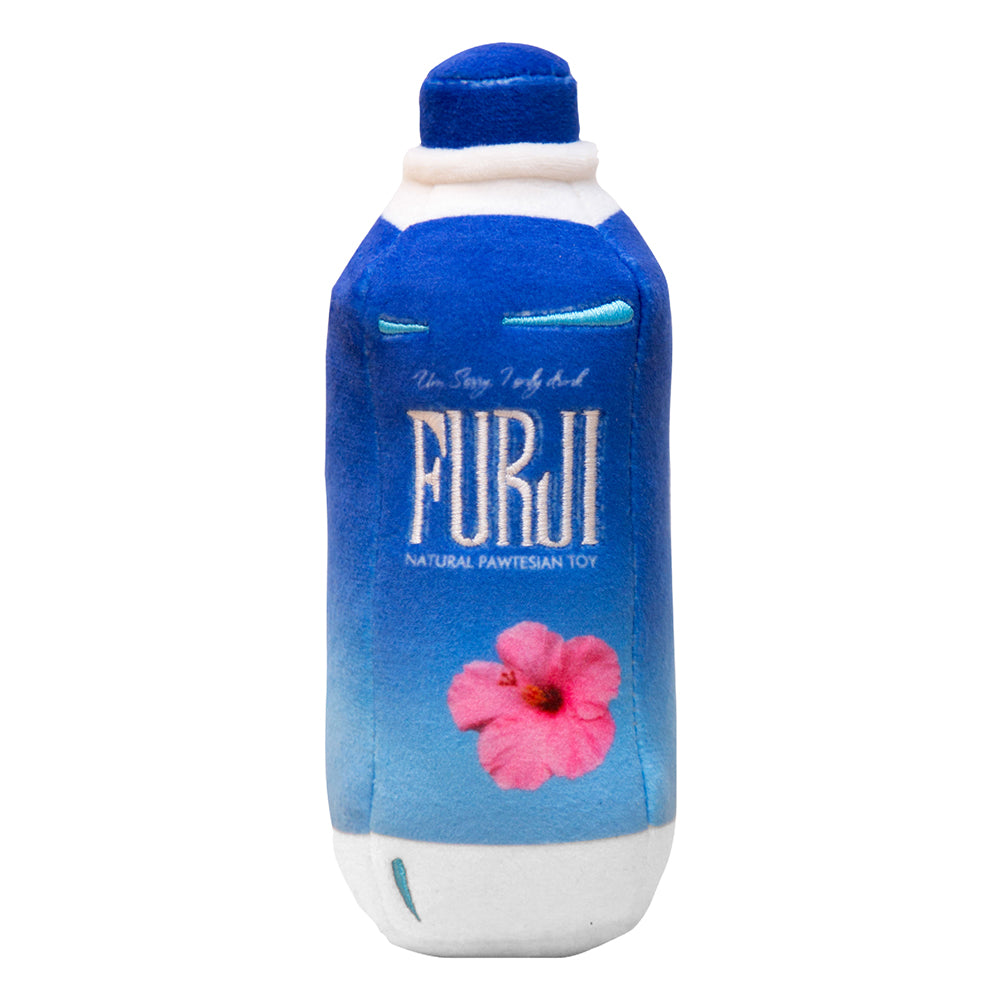
- 2-3 plush toys with different textures and sounds (try the Furji Water Plush Dog Toy for variety)
- 1-2 tug/rope toys for interactive play between dogs
- 1 enrichment toy per dog for solo mental stimulation
- 1-2 durable chew toys for your power chewers
- A rotation stash of 5-10 extra toys stored away for swapping
Bonus Tips for Multi-Dog Toy Success
Label the favorites. Over time, you'll notice each dog gravitates toward specific toys. Mentally (or literally) note which toy "belongs" to which dog and make sure those favorites are always available.
Size matters. In households with dogs of very different sizes, make sure small-dog toys aren't accessible to big dogs (choking hazard) and that large toys aren't frustrating for little mouths.
Clean regularly. More dogs means more drool, more bacteria, and more wear. Wash plush toys weekly and inspect all toys for damage. A torn toy that's safe for one dog might become a hazard when two dogs are pulling on it.
Celebrate together. Use toy time as a positive shared experience. Bring out new toys during calm moments, praise good sharing behavior, and make playtime something your whole pack looks forward to.
The Bottom Line
Multi-dog households are wonderfully chaotic, and toy time should be part of the joy — not a source of stress. By understanding each dog's play style, building a diverse collection, establishing fair rules, and addressing guarding behavior early, you can create a home where every pup feels included and entertained.
Ready to stock up? Browse our full collection at pawty.com and find the perfect toys for every member of your pack. Because at PAWTY, we believe every dog deserves to play — especially when they've got siblings to share the fun with. 🐾