The Psychology of Play: Why Dogs Need Toys
Play isn't just fun for dogs — it's a biological necessity. The urge to play is hardwired into the canine brain, serving critical functions in physical development, emotional regulation, social bonding, and cognitive health. Understanding the psychology behind play reveals why toys aren't luxuries — they're essential tools for a happy, healthy dog.
The Science of Play Behavior
Play behavior in dogs activates the same brain regions associated with joy and reward in humans. During play, dogs experience:
- Dopamine release — The neurotransmitter associated with pleasure and motivation
- Endorphin production — Natural painkillers that create feelings of well-being
- Reduced cortisol — Lower levels of the stress hormone
- Oxytocin surges — Especially during interactive play with humans
In short, play literally changes your dog's brain chemistry for the better.
The Five Functions of Play
1. Physical Development and Maintenance
Play keeps dogs physically fit. Running, jumping, tugging, and chasing build muscle, improve cardiovascular health, maintain joint flexibility, and help manage weight. Toys like the Nunchucks Plush Toy encourage tug-of-war, which provides excellent upper body and core exercise.
2. Cognitive Stimulation
Mental exercise is just as important as physical exercise. Puzzle and interactive toys challenge dogs to think, problem-solve, and strategize. The Fried Chicken Interactive Toy with SnackStash technology provides multi-sensory cognitive challenges through treat-hiding, crinkle, and snuffle elements.
3. Emotional Regulation
Play helps dogs manage their emotions. It provides an outlet for excess energy, reduces anxiety, and builds confidence. Dogs who play regularly are calmer, less reactive, and better able to cope with stressful situations. Comfort toys like the Love Bone also serve as emotional anchors during stressful times.
4. Social Bonding
Interactive play strengthens the bond between dogs and their humans. When you play tug, fetch, or hide-and-seek with your dog, you're building trust, communication, and mutual understanding. This social play is mediated by oxytocin — the same hormone involved in mother-infant bonding.
5. Instinct Fulfillment
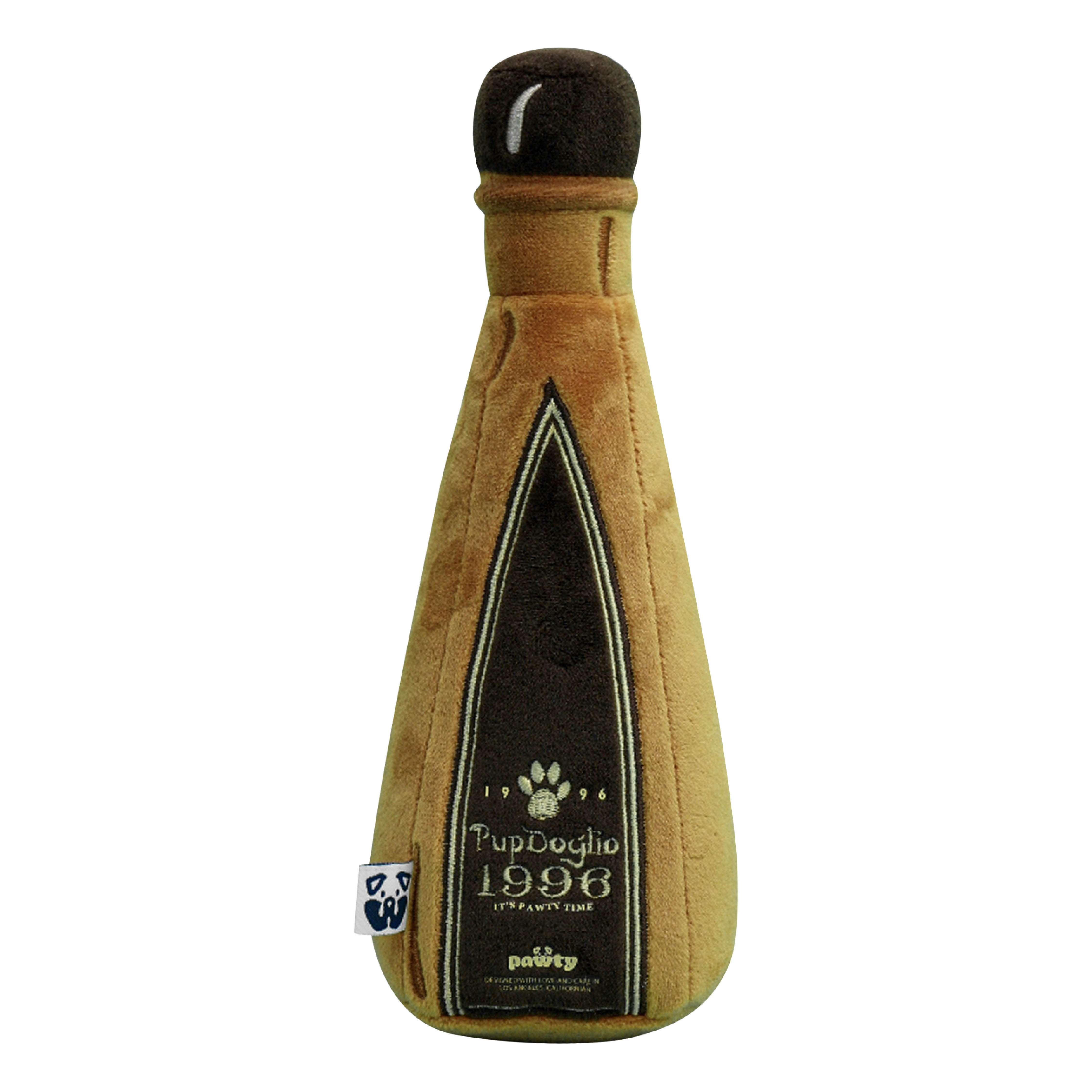
Dogs have inherited instincts from their wild ancestors that need appropriate outlets. Squeaky toys satisfy prey drive. Tug toys satisfy the urge to grip and pull. Snuffle toys satisfy foraging instincts. The Champagne Bottle Plush Toy with SuperSqueak technology taps directly into the prey-drive instinct.
What Happens When Dogs Don't Play
Dogs deprived of adequate play opportunities can develop serious behavioral and health issues:
- Obesity — Without physical activity through play
- Destructive behavior — Chewing, digging, and destroying household items
- Anxiety and depression — Reduced ability to cope with stress
- Aggression — Pent-up energy with no appropriate outlet
- Cognitive decline — Especially in aging dogs who stop playing
Play Across the Life Stages
Puppies (0-1 year)
Play is critical for brain development, socialization, and learning bite inhibition. Puppies need frequent, short play sessions with soft, appropriately sized toys.
Adult Dogs (1-7 years)
Consistent daily play maintains physical fitness, mental sharpness, and emotional stability. Mix active play with enrichment activities.
How Much Play Does a Dog Need?
While it varies by breed, age, and individual, general guidelines suggest:
- Puppies: Multiple 5-10 minute sessions per day
- Adult dogs: 30-60 minutes of active play daily
- Senior dogs: 15-30 minutes of gentle play daily
Final Thoughts
Play is not optional — it's a fundamental pillar of canine well-being. Every squeaky toy chased, every tug-of-war played, every puzzle solved contributes to your dog's physical health, mental acuity, emotional balance, and social bonds. When you buy a toy for your dog, you're not just buying entertainment. You're investing in their happiness and health.