Your favorite shoes are shredded. There is a crater in the backyard that was not there this morning. The couch cushion looks like it lost a fight. And your dog is sitting in the middle of all of it, looking at you with those big, innocent eyes.
Before you say it -- before you even think it -- let's pump the brakes on the word "bad." Because your dog is not being bad. They are trying to tell you something, and the message just happens to be written in destroyed furniture.
Why "Bad Dog" Is Almost Always the Wrong Read
When we call a dog "bad," we are projecting a human moral framework onto an animal that does not operate that way. Dogs do not chew your shoes out of spite. They do not dig holes to punish you for leaving. They are not plotting revenge because you gave them the wrong kibble.
Dogs act on instinct, emotion, and need. When those needs are not being met, the behavior that comes out can look destructive, disobedient, or obnoxious -- but it is almost always a symptom, not a personality flaw.
Understanding the difference between "my dog is bad" and "my dog is communicating" is genuinely one of the most important shifts you can make as a dog parent.
Chewing Everything in Sight
Chewing is one of the most natural behaviors a dog has. Puppies chew to explore the world and soothe teething pain. Adult dogs chew to relieve stress, burn energy, and keep their jaws strong. It is not optional behavior they can just turn off -- it is hardwired.
When a dog is chewing things they should not be chewing -- shoes, furniture legs, remote controls -- the question is not "how do I stop them from chewing?" It is "what should they be chewing instead?"
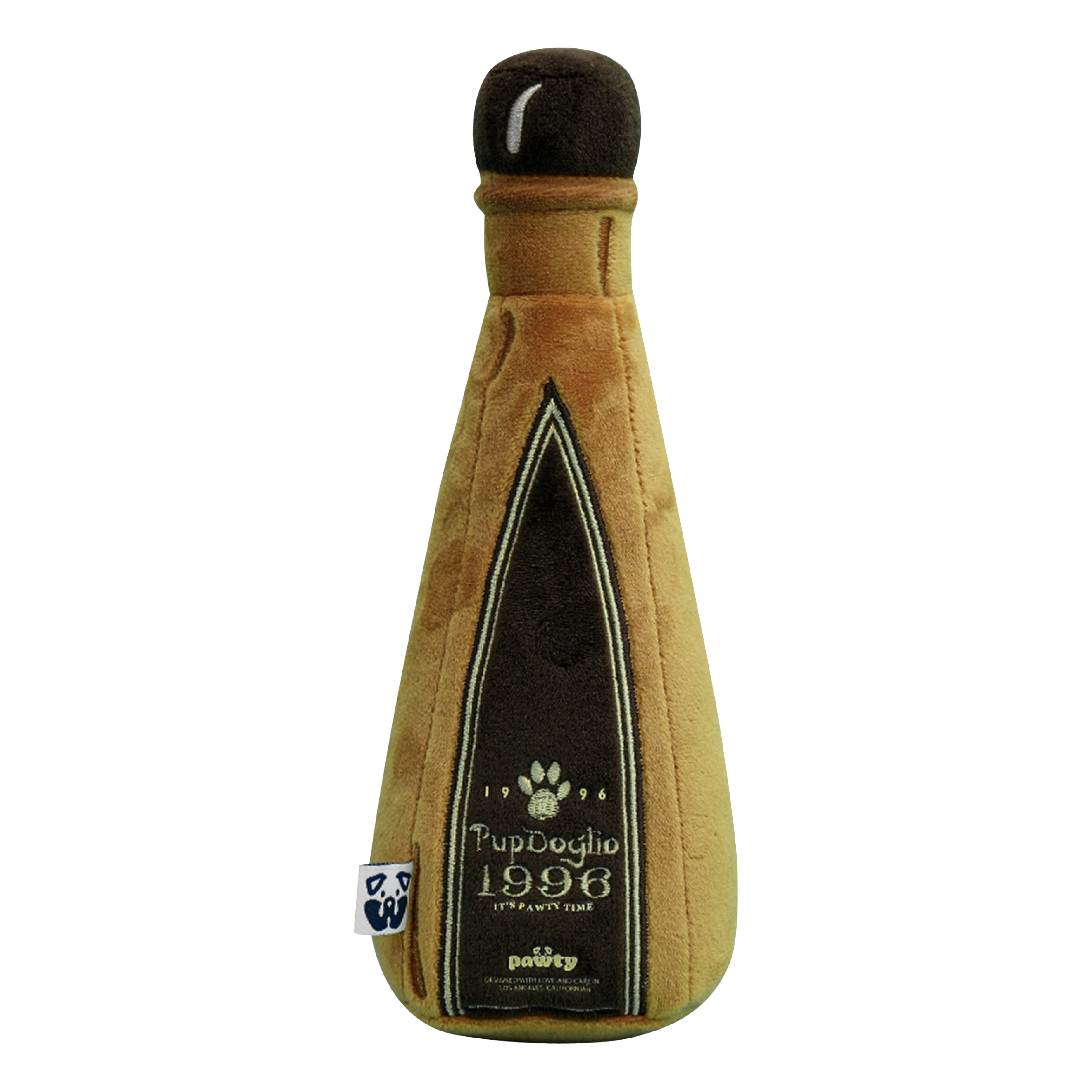
Dogs need appropriate outlets. A dog with access to engaging, satisfying toys is dramatically less likely to go after your belongings. Plush toys with squeakers, textured chew toys, anything that gives their mouth something interesting to work on. The goal is redirection, not suppression. You cannot train the chew drive out of a dog, and you should not want to.
Digging Up the Yard
If your backyard looks like a construction site, your dog is not trying to landscape. Digging can be driven by a handful of things:
- Boredom. A dog left in the yard with nothing to do will create their own entertainment. Digging is physically and mentally stimulating, even if the results are inconvenient for your lawn.
- Instinct. Some breeds are natural diggers -- terriers, dachshunds, huskies. You are fighting centuries of genetic programming.
- Temperature regulation. Dogs dig to reach cooler soil in the summer or create a sheltered spot in the wind.
- Anxiety. Dogs trying to escape a yard are often dealing with separation anxiety or fear, not mischief.
In most cases, more physical exercise, mental stimulation, and supervised outdoor time will reduce digging significantly. A tired, engaged dog has less reason to excavate your flowerbeds.
Restlessness and the Zoomies
A dog that cannot settle -- pacing, whining, bouncing off the walls, doing laps around the living room at full speed -- is usually a dog that has not had enough stimulation. Physical or mental, often both.
Dogs need more activity than a lot of owners initially expect. A quick walk around the block might check the "exercise" box in your head, but for a young, energetic dog, that is a warm-up. They need running, playing, sniffing, problem-solving, and engagement that actually tires out their brain.
Interactive play is one of the best tools here. A good game of tug or fetch with a toy they love does double duty -- it burns physical energy and strengthens the bond between you. Even ten minutes of focused, active play can take the edge off better than a thirty-minute leash walk.
Attention-Seeking Behavior
Barking at you, nudging your hand, dropping a toy in your lap, pawing at your leg while you are on a video call -- these are not random annoyances. Your dog is asking for something: attention, play, connection.
Dogs are social animals. They are not designed to sit quietly in a corner for eight hours while you work. When they seek your attention, they are expressing a genuine social need. The answer is not to punish the asking -- it is to make sure you are building in enough quality interaction throughout the day so the asking does not become frantic.
Scheduled play sessions, training breaks, and even just a few minutes of focused petting and talking to your dog can satisfy that social drive and reduce the demand barking and nudging.
The Pattern Behind Every "Bad" Behavior
If you look at all of these behaviors -- chewing, digging, restlessness, attention-seeking -- they share a common root: unmet needs. Boredom, insufficient exercise, lack of mental stimulation, anxiety, or not enough social interaction. The behavior is the dog's way of solving the problem themselves, using the tools they have.
When you see it that way, the response shifts. Instead of "how do I punish this behavior out of my dog," it becomes "what does my dog need that they are not getting?" That question leads to better answers every single time.
Start With Understanding
Your dog is not bad. They are a dog -- a brilliant, instinct-driven, emotionally complex animal doing the best they can with what they have been given. Meet their needs, give them appropriate outlets, and watch the "bad" behavior fade on its own.
A great place to start is making sure your pup has toys that actually keep them engaged. Browse the full collection at PAWTY -- because a well-entertained dog is a well-behaved dog.