Transform your dog's daily routine with these expert-approved enrichment activities that challenge their mind, reduce anxiety, and strengthen your bond.
Meta Description: Discover why dog enrichment activities are the hottest trend in 2026. Learn 15+ mental stimulation techniques, DIY games, and product recommendations to keep your dog happy, healthy, and mentally sharp.
Keywords: dog enrichment activities, mental stimulation for dogs, dog enrichment toys, canine enrichment, dog puzzle games, dog mental health
As we move deeper into 2026, one trend has completely revolutionized how we think about dog care: enrichment activities. What was once considered "nice to have" has become essential for modern dog parenting. According to recent industry reports, the dog enrichment market hit $2.1 billion this year, and for good reason—veterinarians, animal behaviorists, and dog parents worldwide are discovering that mental stimulation is just as crucial as physical exercise for our four-legged family members.
If you're still thinking that a long walk is enough to keep your dog happy, it's time for an update. Today's dogs, especially those living in apartments or busy households, need strategic mental challenges to thrive. Let's explore why enrichment activities have become the gold standard of dog care and how you can easily incorporate them into your daily routine.
What Exactly Are Dog Enrichment Activities?
Dog enrichment refers to any activity or environmental modification that enhances your dog's quality of life by encouraging natural behaviors, providing mental stimulation, and preventing boredom. Think of it as CrossFit for your dog's brain—challenging, engaging, and incredibly rewarding.
The concept isn't new, but our understanding of its importance has dramatically evolved. Modern dogs often live in environments that don't naturally challenge their instincts to hunt, forage, explore, and problem-solve. Enrichment activities fill this gap, giving dogs appropriate outlets for their natural behaviors while keeping their minds sharp and engaged.
The Science Behind Why Your Dog Needs Mental Stimulation
Research in canine cognition has revealed fascinating insights about dog intelligence and mental needs. Dogs possess complex problem-solving abilities, emotional intelligence, and a genuine need for mental challenges. When these needs go unmet, we see:
- Destructive behaviors like excessive chewing, digging, or shredding
- Anxiety and stress manifesting as panting, pacing, or withdrawal
- Attention-seeking behaviors including excessive barking or jumping
- Depression-like symptoms such as lethargy and loss of appetite
Dr. Sarah Mitchell, a certified animal behaviorist, explains: "Mental fatigue is often more satisfying for dogs than physical exhaustion alone. A 15-minute puzzle session can be as tiring as a 30-minute walk, but provides different types of satisfaction."
This is why enrichment activities have become so popular—they address the root cause of many behavioral issues while enhancing your dog's overall well-being.
15 Enrichment Activities Every Dog Parent Should Try
Food-Based Enrichment
1. Slow Feeding Puzzles
Replace your dog's regular bowl with puzzle feeders or slow-feeding bowls. These make mealtime into a fun challenge that naturally slows down fast eaters while engaging their problem-solving skills.
2. Frozen Treat Challenges
Fill a KONG toy or similar with wet food, peanut butter, or yogurt, then freeze overnight. This creates a long-lasting mental challenge that's perfect for hot summer days or when you need to keep your dog occupied.
3. Snuffle Mat Sessions
Hide treats or kibble in a snuffle mat to encourage natural foraging behaviors. This mimics the experience of hunting for food in grass or undergrowth.
Interactive Toy Play
4. Puzzle Toy Rotations
Invest in several different types of puzzle toys and rotate them weekly. This prevents your dog from getting bored with the same challenges and keeps their interest high.
5. Hide and Seek with Toys
Hide your dog's favorite plush toys around the house and encourage them to find each one. Start easy and gradually increase the difficulty of hiding spots.
DIY Enrichment Games
6. Muffin Tin Treat Game
Place treats in a muffin tin and cover each cup with a tennis ball. Your dog has to remove the balls to get to the treats—it's like a homemade puzzle feeder!
7. Cardboard Box Treasure Hunt
Fill a large cardboard box with smaller boxes, paper tubes, and treats hidden throughout. Let your dog destroy the boxes to find the treasures (always supervise to ensure they don't eat the cardboard).
8. Ice Cube Surprises
Freeze treats or small toys in ice cubes. As the ice melts, your dog gets rewarded for their patience and persistence.
Sensory Enrichment
9. Scent Work Training
Hide treats around your home and teach your dog to "find it." This taps into their incredible sense of smell and natural hunting instincts.
10. Texture Exploration
Create a sensory walk using different textures—bubble wrap (secured so they can't eat it), different fabrics, or textured mats.
Physical and Mental Combination
11. Obstacle Course Creation
Set up a simple obstacle course using household items. Have your dog navigate through, over, and under various challenges.
12. Interactive Tug Games
Use interactive toys that require your dog to think while they play, combining physical activity with mental engagement.
Social Enrichment
13. Playdate Puzzle Sessions
Organize playdates where dogs work on puzzle toys together, promoting both social interaction and mental stimulation.
14. Training Game Integration
Turn basic training into enrichment by teaching new tricks, practicing commands in different locations, or creating training games that challenge your dog's memory and focus.
15. Environmental Changes
Regularly rearrange furniture, take different walking routes, or visit new (dog-friendly) locations to provide novel experiences that engage your dog's curiosity.
Age-Specific Enrichment Strategies
Puppies (8 weeks to 6 months)
Focus on gentle introduction to different textures, sounds, and experiences. Use soft plush toys and simple puzzle feeders designed for developing minds.
Adult Dogs (6 months to 7 years)
This is peak enrichment time! Adults can handle complex puzzles, extended scent work, and challenging physical activities combined with mental tasks.
Senior Dogs (7+ years)
Adapt activities for potentially reduced mobility while still providing mental challenges. Focus on low-impact activities like scent work, gentle puzzle toys, and comfort-based enrichment.
Creating an Enrichment Schedule That Works
The key to successful enrichment isn't overwhelming your dog (or yourself) with constant activities. Instead, aim for:
- Daily: One food-based enrichment activity (like puzzle feeding)
- 3x per week: Interactive toy sessions with puzzle toys
- Weekly: One new DIY enrichment challenge
- Monthly: Environmental changes or new experiences
Common Mistakes to Avoid
Over-Enrichment: Yes, it's possible! Too many activities at once can overwhelm your dog rather than benefit them.
Lack of Supervision: Always supervise enrichment activities, especially those involving destructible items.
One-Size-Fits-All Approach: What works for a Border Collie might not work for a Bulldog. Tailor activities to your dog's breed, age, and individual personality.
Forgetting Safety: Ensure all enrichment materials are safe and appropriate for your dog's size and chewing habits.
Building Your Dog's Enrichment Toolkit
Start with these essentials:
- Various puzzle feeders and slow-feeding bowls
- A selection of interactive toys with different difficulty levels
- Durable chew-resistant toys for power chewers
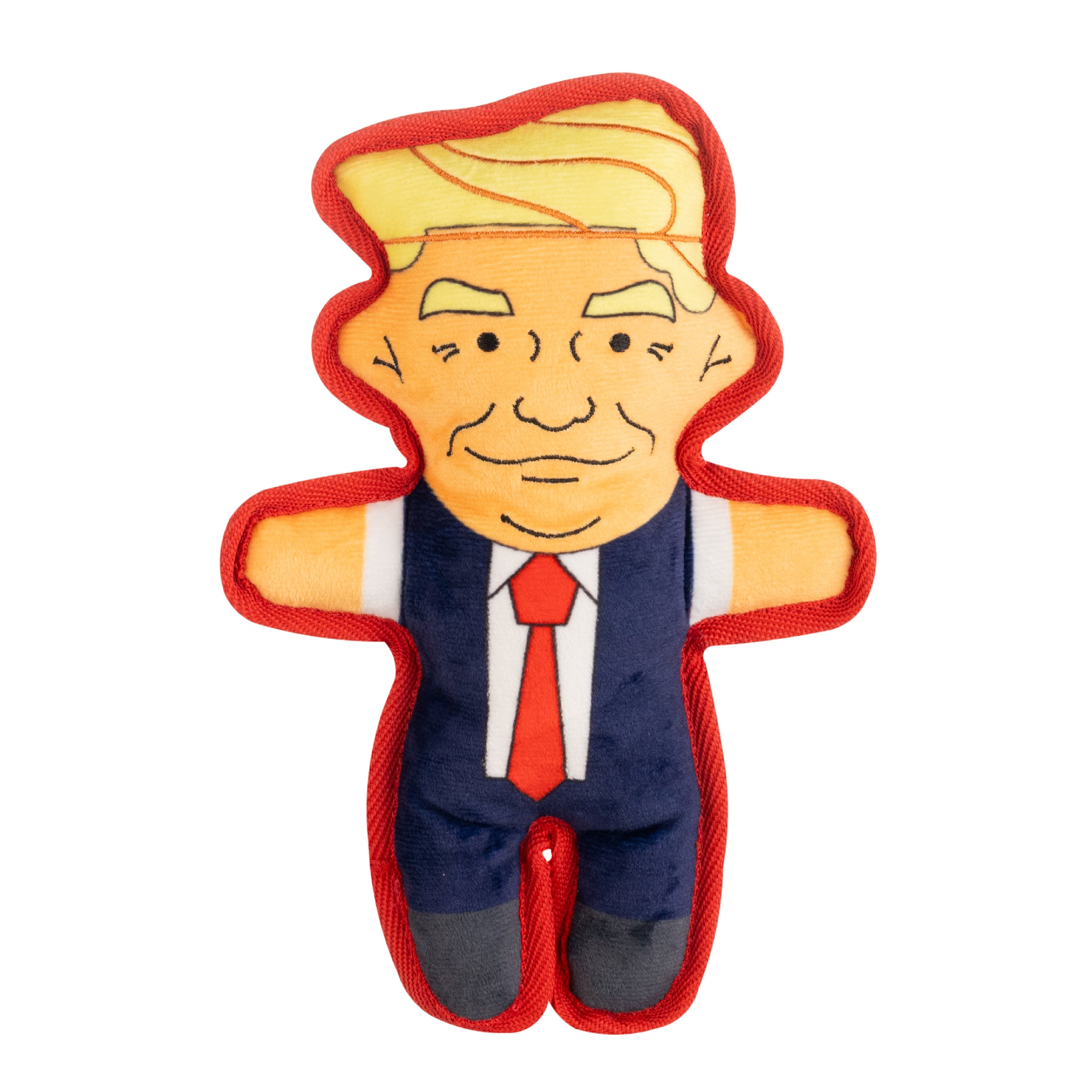
- Comfort items like plush toys for emotional support
- DIY materials (cardboard boxes, muffin tins, towels)
The Future of Dog Enrichment
As we progress through 2026, expect to see even more innovation in the enrichment space. Smart toys that adapt to your dog's learning pace, app-connected puzzle games, and AI-driven enrichment recommendations are already hitting the market. However, the core principle remains the same: dogs need mental challenges to live their best lives.
Your Next Steps
Ready to transform your dog's daily routine? Start small:
- This week: Replace one regular meal with a puzzle feeder
- Next week: Add one DIY enrichment game to your routine
- This month: Invest in 2-3 quality puzzle toys and rotate them
- Ongoing: Observe what your dog enjoys most and build on those preferences
Remember, enrichment isn't about spending lots of money—it's about understanding your dog's needs and providing creative outlets for their natural behaviors. Some of the best enrichment activities cost nothing but time and creativity.
The trend toward dog enrichment activities in 2026 isn't just a fad—it's a fundamental shift toward better understanding and caring for our canine companions. By incorporating these activities into your routine, you're not just keeping your dog busy; you're enhancing their quality of life, strengthening your bond, and setting them up for better behavioral and emotional health.
Your dog's mind is a terrible thing to waste. Start enriching it today, and watch as both of you discover just how rewarding mental stimulation can be.
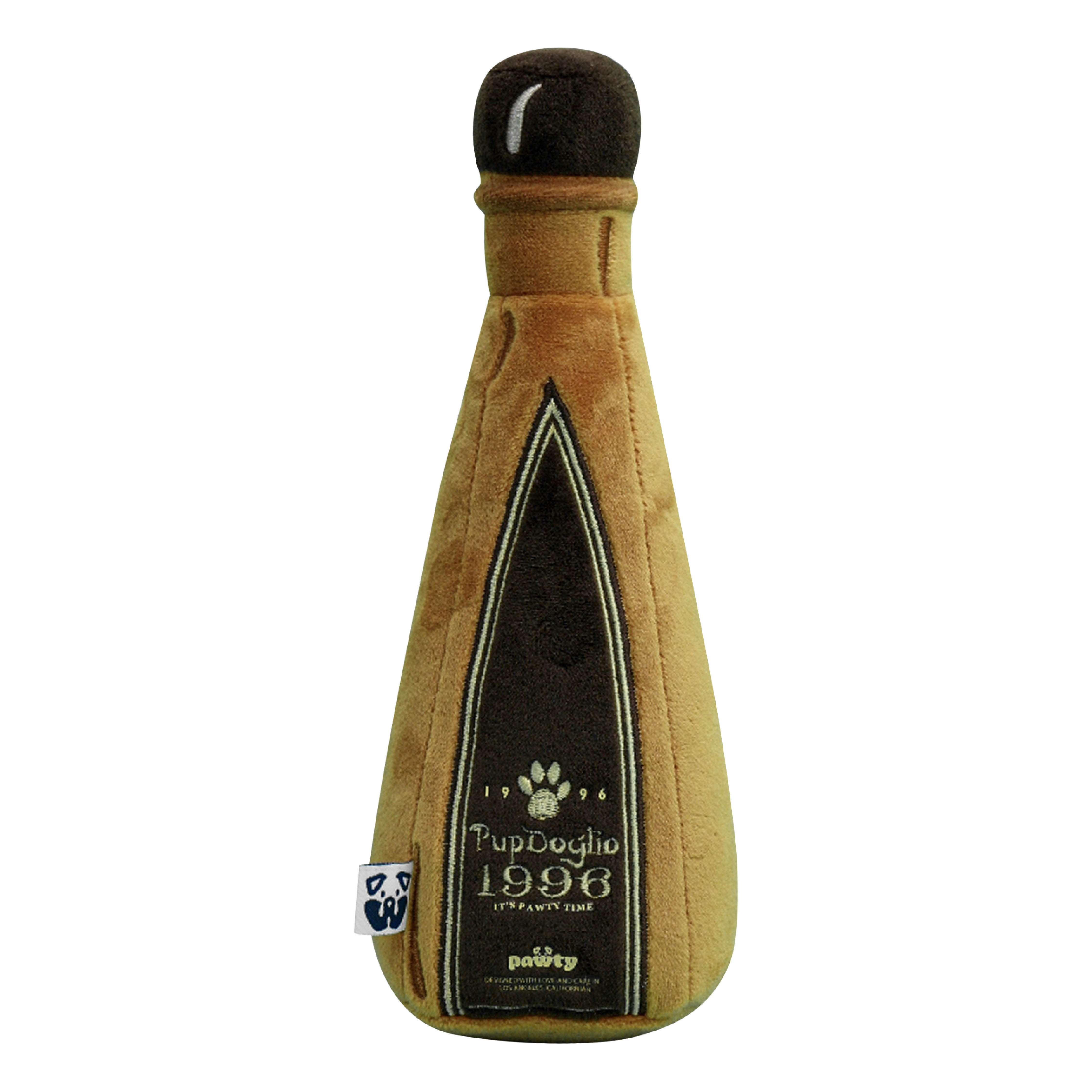
Looking for high-quality enrichment toys to get started? Check out PAWTY's collection of interactive toys and puzzle feeders designed to challenge your dog's mind while providing hours of safe, engaging fun.