Eco-Friendly Dog Toys: A Sustainable Pet Parent's Guide
As pet parents become more environmentally conscious, the demand for eco-friendly dog toys is growing rapidly. But what makes a dog toy truly sustainable? And can eco-friendly toys actually stand up to daily play? This guide explores what to look for, what to avoid, and how to reduce your pet's environmental pawprint without sacrificing fun.
The Environmental Impact of Dog Toys
The pet toy industry has a significant environmental footprint:
- Plastic waste — Billions of plastic dog toys end up in landfills annually
- Synthetic materials — Most traditional toys use petroleum-based fabrics and foams
- Overseas manufacturing — Long supply chains increase carbon emissions
- Short lifespan — Cheap toys that break quickly create more waste
- Chemical concerns — Some dyes and treatments contain harmful chemicals
What Makes a Dog Toy Eco-Friendly?
1. Sustainable Materials
Look for toys made from:
- Recycled fabrics and plastics
- Organic cotton or hemp
- Natural rubber
- Responsibly sourced materials
PAWTY's GentlePlush technology uses eco-friendly 3-layer fabric, making toys like the Avocado Plush Toy more sustainable choices for environmentally conscious pet parents.
2. Durability
The most eco-friendly toy is one that doesn't need to be replaced constantly. Durable construction reduces waste:
- PAWTY's RuffRope ultra-durable fiber tug toys last longer than standard rope toys
- GentlePlush 3-layer fabric outlasts single-layer alternatives
- Quality squeakers like SuperSqueak are built to last
3. Non-Toxic Materials
Eco-friendly also means safe for your dog. Avoid toys with:
- Lead-based paints
- BPA and phthalates
- Formaldehyde-treated fabrics
- Harmful dyes
4. Minimal Packaging
Sustainable brands minimize packaging waste by using recycled and recyclable materials.
Sustainable Play Strategies
Buy Quality, Buy Less
Instead of buying cheap toys that break quickly, invest in fewer, higher-quality toys. A single Fried Chicken Interactive Toy that lasts months is more sustainable than five cheap toys that each last a week.
Rotate Instead of Replace
Toy rotation keeps old toys feeling new, reducing the urge to constantly buy more. A rotation system with 8-12 quality toys can keep your dog entertained for years.
Repair Before Replacing
Minor tears in plush toys can often be sewn shut, extending their life. Keep a basic sewing kit for quick toy repairs.
Donate Gently Used Toys
Toys your dog has outgrown or lost interest in can be donated to animal shelters. Clean them thoroughly before donating.
Eco-Friendly PAWTY Picks
PAWTY's commitment to GentlePlush eco-friendly fabric makes several toys excellent sustainable choices:
- Love Bone — Soft, durable, eco-friendly fabric
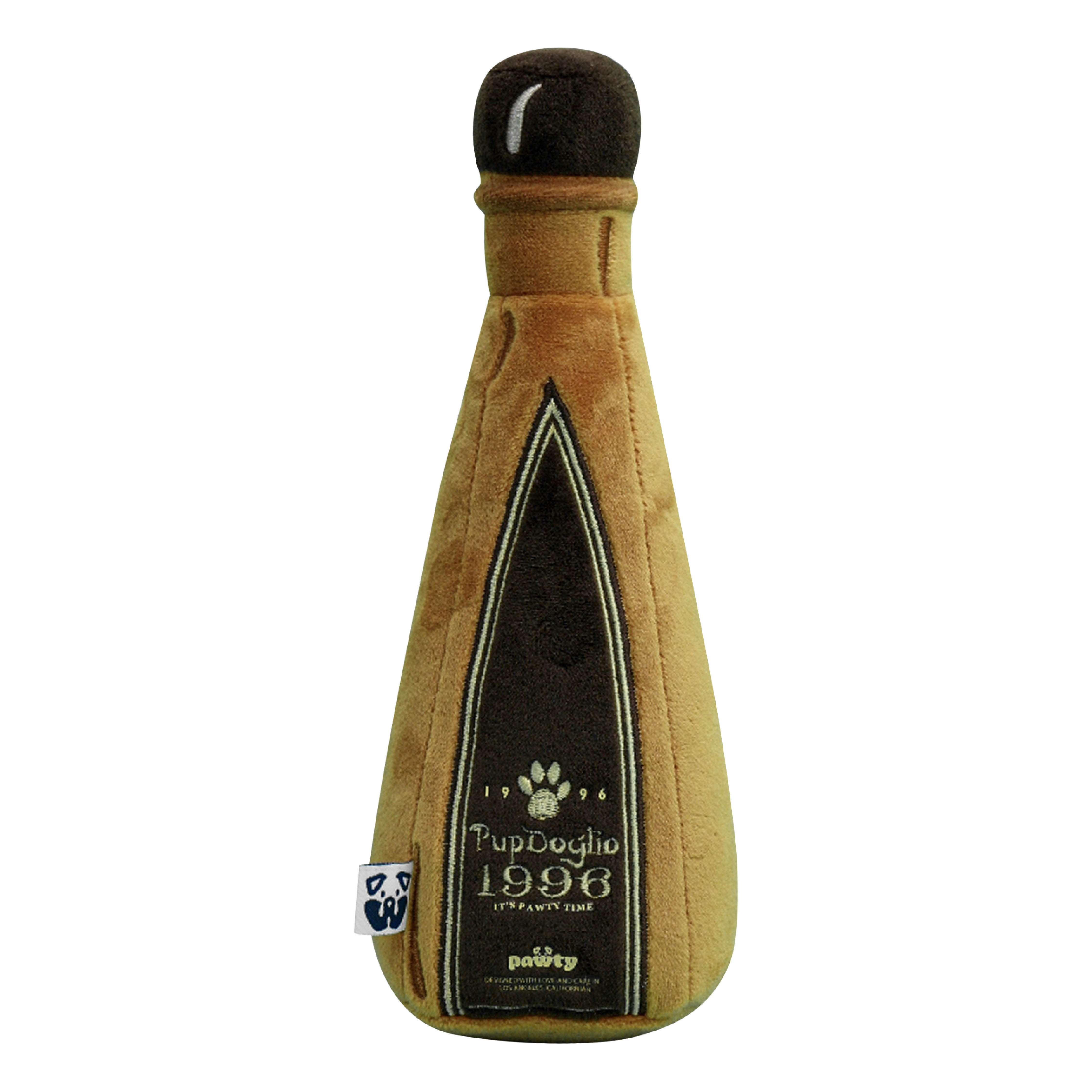
- Champagne Bottle Plush Toy — Long-lasting GentlePlush construction
The True Cost of Cheap Toys
Budget toys may seem economical, but consider the full picture:
- They break faster, requiring frequent replacement
- They often contain harmful chemicals
- They contribute more waste to landfills
- They may cause expensive veterinary bills from ingested materials
Spending $15-30 on a quality PAWTY toy that lasts months is often cheaper (and greener) than buying $5 toys every week.
Looking Forward
The pet industry is moving toward sustainability, with more brands exploring:
- Toys made from ocean-reclaimed plastic
- Biodegradable toy materials
- Carbon-neutral manufacturing
- Take-back and recycling programs
Final Thoughts
Being an eco-friendly pet parent doesn't mean depriving your dog of fun toys. It means making smarter choices: investing in durable, non-toxic toys made from sustainable materials, rotating instead of replacing, and supporting brands that prioritize the planet. Your dog can play hard and tread lightly — at the same time.